
APHG Unit 4

Unit 4: Political Patterns and Processes
Want to retake the Unit 4 Exam? Here's how:
- Write down your score (number correct/32, not percentage), then review the exam on AP Classroom and write in a complete sentence the reason you missed every incorrect answer. This can not be typed. It must be hand written. See me if you have a specific question about any of them if you still don't understand why you were wrong.
- Turn this in directly to me and we will schedule a retake next week.
- Whatever you make on the retake will be averaged with your original grade, and that will replace it in the gradebook.
- Unit 4 Course Guide
- Unit 4 Vocabulary List
- Vocabulary Presentation by Haley S.
-
4.1: Introduction to Political Geography
- Tyranny of the Map
- You must be able to define the following political entities:
- nation
- nation-state
- stateless nation
- multinational state
- multistate nation
- autonomous and semiautonomous regions
4.2: Political Processes
- Can you define/explain the concepts of sovereignty, self-determination, colonialism, and imperialism?
- Colonialism Map (for use during a class activity)
4.3: Political Power and Territoriality
- What is neocolonialism? How is it a geographic expression of control over people, land, and resources?
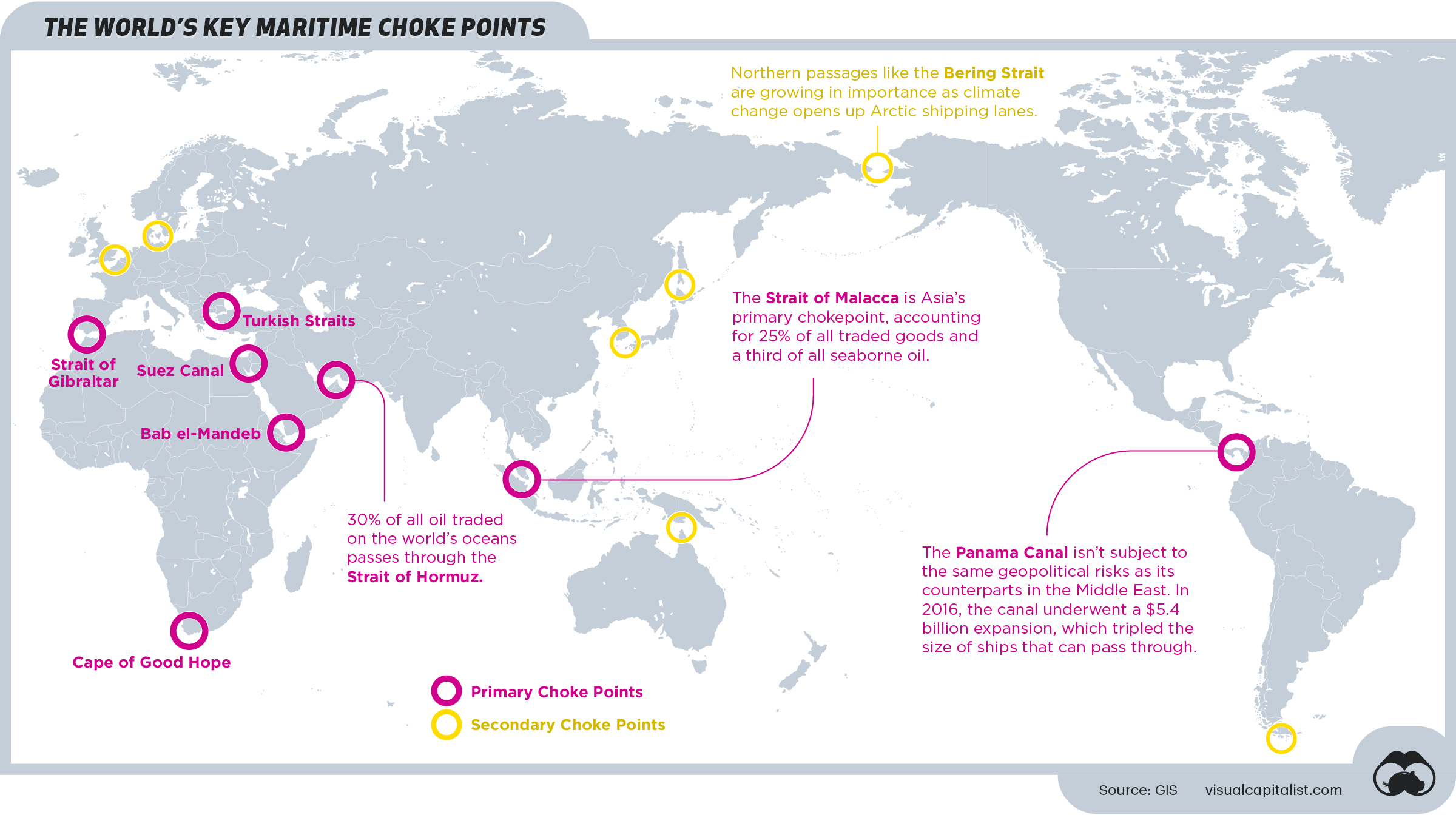
- Choke Points
- Territoriality: Who are the Kurds?
- Who are the Kurds? article
- Answer the following questions from this article:
-
- Where do they come from?
- Why don't they have a state?
- Why were Kurds at the forefront of the fight against ISIS?
- Why does Turkey see Kurds as a threat?
- What do Syria's Kurds want?
- Do you think Iraq's Kurds gain independence? Why or why not?
-
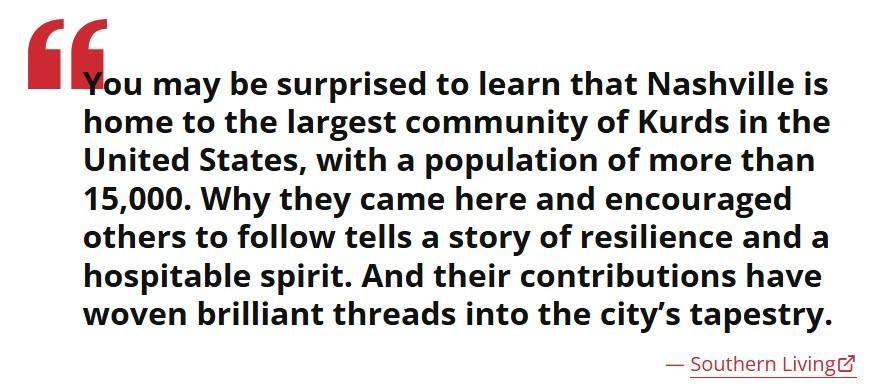
- Learn about "Little Kurdistan" in Nashville
- Comics: Read both of these Andy Warner comics. How did the situation for the Kurds change between 2016 and 2019?
4.4: Defining Political Boundaries
- Boundaries StoryMap
- Types of Boundaries
- relic
- superimposed
- subsequent
- antecedent
- geometric
- consequent
- Bruised Borders StoryMap
4.5: The Function of Political Boundaries
- Why is China building islands in the South China Sea?
- Why the South China Sea Matter?

4.6: Internal Boundaries
- Gerrymandering Explained
- Redistricting and Gerrymandering StoryMap
- Recent articles about Gerrymandering...
- Gerrymandering Game "Hexopolis" (NYTimes gift link)
-
After playing the game, read the recap, and then respond to the following questions:1. What did you notice from playing this game? For example, did you find it easy or difficult? What surprised you? What challenged you? What strategies did you figure out along the way? Were you able to gerrymander your party to power?2. Players who successfully gerrymandered your way to power saw the message, “Good for your party, not so good for democracy.” What do the writers mean by that?3. What does it mean to make a district “compact”? Why is making compact districts important?4. What are “cracking” and “packing”? Did you employ either of these strategies in your mapmaking? How do they work to consolidate one party’s power?5. How is the newly enacted Tennessee map an example of partisan gerrymandering?6. The Voting Rights Act of 1965 forbids “dilution” of the votes of people of color. How did you see this law at work in the game? Why do you think Congress made this kind of racial gerrymandering illegal?7. How does redistricting in Hexapolis compare to the practice in the United States? What did you learn about redistricting and gerrymandering from playing the game?
-
- Districr (redistrict TN how you think it should be.
- Comic: Why the Census Matters. (Data is power.)
4.7: Forms of Governance
- Unitary vs Federal
4.8: Defining Devolutionary Factors
4.9: Challenges to Sovereignty
- Devolution occurs when:
- states fragment into autonomous regions; political-territorial units such as those within:
- Spain
- Belgium
- Canada
- Nigeria
- states disintegrate, as happened in:
- Eritrea
- South Sudan
- East Timor
- states that were part of the former Soviet Union
- states fragment into autonomous regions; political-territorial units such as those within:
- Supranational organizations:
- United Nations (UN)
- North Atlantic Treaty Organization (NATO)
- European Union (EU)
- Association of Southeast Asian Nations (ASEAN)
- Artic Council
- African Union
4.10: Consequences of Centrifugal and Centripetal Forces
-
- Once Brothers Documentary link
- Give an example of nationalism as a centripetal force in Yugoslavia.
- Give an example of nationalism as a centrifugal force in Yugoslavia.
- Describe how the Balkan Peninsula is an example of a shatterbelt.
- Define devolution.
- Explain how Balkanization is an example of devolution.
- Once Brothers Documentary link
Enrichment:
-
-
- Bruised Borders StoryMap
- Enclaves & Exclaves StoryMap
- Tennessee/Georgia border dispute
- India/Pakistan Border Ceremony
- The conflict in Kashmir, explained
- Inside North Korea
- The Hermit Kingdom
- Leaving North Korea (a defector's true story)
- Just for fun... The Kidnapped Filmmakers of North Korea
- Mr. Sinn's Unit 4 Review
-