
APHG Unit 6

Unit 6: Cities and Urban Land-Use Patterns and Processes
Want to retake the Unit 6 Exam? Here's how:
- Write down your score (number correct/31, not percentage), then review the exam on AP Classroom and write in a complete sentence the reason you missed every incorrect answer. This can not be typed. It must be hand written. See me if you have a specific question about any of them if you still don't understand why you were wrong.
- Turn this in directly to me and we will schedule a retake.
- Whatever you make on the retake will be averaged with your original grade, and that will replace it in the gradebook.
- Unit 6 Course Guide
- Unit 6 Vocab List *replace "world cities" definition with the one below.
6.1 The Origin and Influence of Urbanization
- Site and Situation in Urban Geography
- Metropolitan statistical areas
- Borchert's Transportation Model (in Amsco textbook)
6.2 Cities Across the World
- Urban Change 1992-2020
- Megacities have at least 10 million people. In 1950 only 3 cities satisfied this definition – London, New York and Tokyo, today this number is far greater.
- Metacities are any urban area or conurbation with more than 20 million people e.g.Tokyo and Mexico City.
- Sprawlanta
6.3 Cities and Globalization
- World cities are those that exert a dominant influence over continental and global economies and processes. This is INDEPENDENT of population size, as world cities do not have to have huge populations (but usually do) to exert such a huge influence. Indeed, a world city (also called global city) is a city generally considered to be an important node (FOCAL POINT) in the global economic system such as London, New York and Tokyo.
6.4 The Size and Distribution of Cities
- Primate Cities & Rank-Size Rule
- Primate City/Rank-Size Rule presentation
- Gravity Model
- An Overview of Christaller's Central Place Theory
- Central Place Theory
- Central Place Theory Activity
6.5 The Internal Structure of Cities
- Urban Models
- Bid-Rent Theory
- Concentric Zone Model
- Sector Model
- Multiple-Nuclei Model
- Galactic City Model
- African City Model
- Latin American City Model
- Southeast Asian City Model
6.6 Density and Land Use
6.7 Infrastructure
- Where the city "ends" Complete Inquiries 1 & 2
- Infrastructure in AP Human Geography
6.8 Urban Sustainability
- Community Design 101
- What is Community Design? A well designed community will have:
- An emphasis on the PEDESTRIAN
- Good TRANSPORTATION systems
- Good PUBLIC SPACE
- A sense of IDENTITY
- Identity of a Place Representation 1: Welcome to Nashville
- Identity of a Place 2: The Nashville you haven't seen on "Nashville"
- GREEN SPACES
- Access to healthy FOOD
- HOUSING for all
- Transect Story Maps
- The Complete Street: Theory and Practice
- Be a Street Designer
- Neighborhood Analysis
- Map Annotation Guide
- Map Drawing Guide
- Neighborhood Analysis Guide (each student will be assigned a category)
- Neighborhood Analysis Map
- Neighborhood Analysis Reflection
- What is Community Design? A well designed community will have:
6.9 Urban Data
- Qualitative vs. Quantitative data
- Qualitative: descriptive, narrative, from surveys, polls about what residents want/need.
- Quantitative: numbers, statistics, can be counted/analyzed
6.10 Challenges of Urban Changes
- Food deserts, redlining in Memphis
- "How New Nashville is Swallowing Old Nashville"
6.11 Challenges of Urban Sustainability
- New Urbanism
- Gentrification Pros and Cons
- StoryMap Assignment (assignment - choose ONE StoryMap to read - write 3 paragraphs: 1. summarize article, 2. what did you learn? be specific, 3. personal connection/reaction)
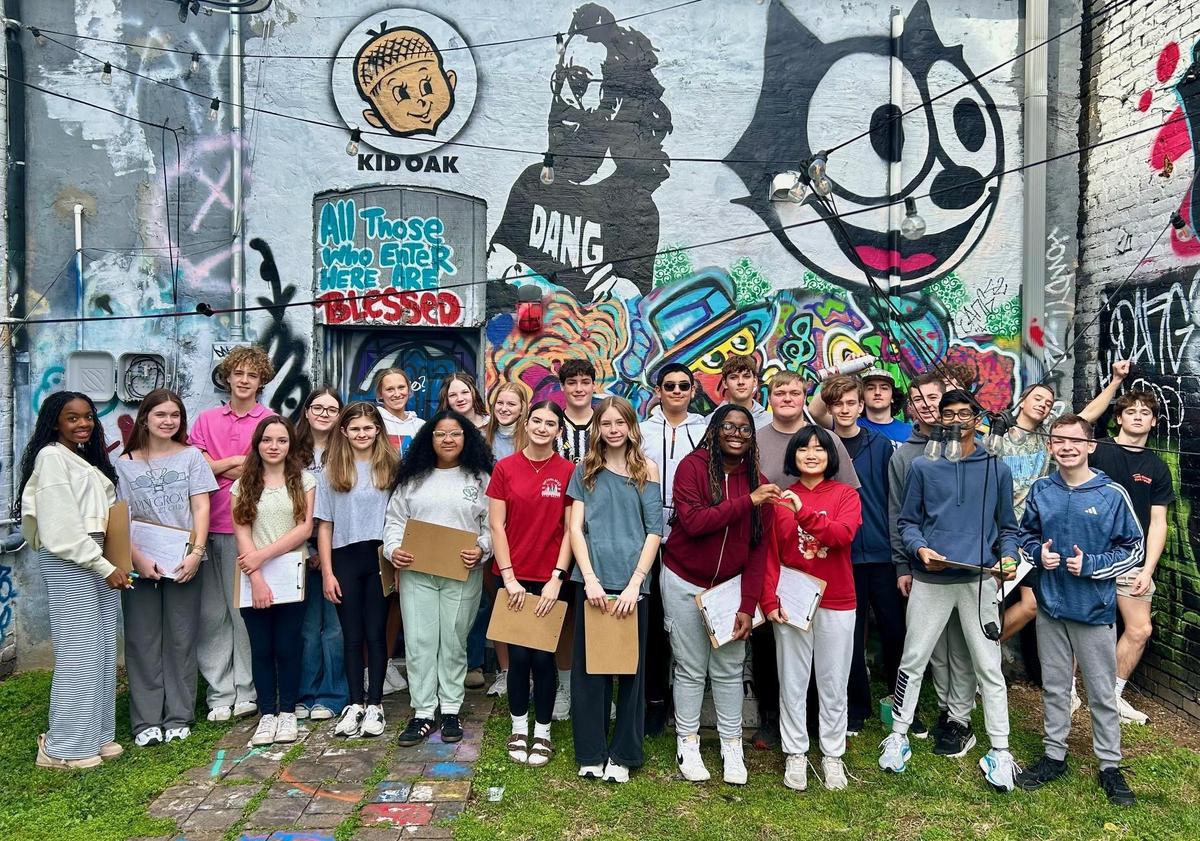
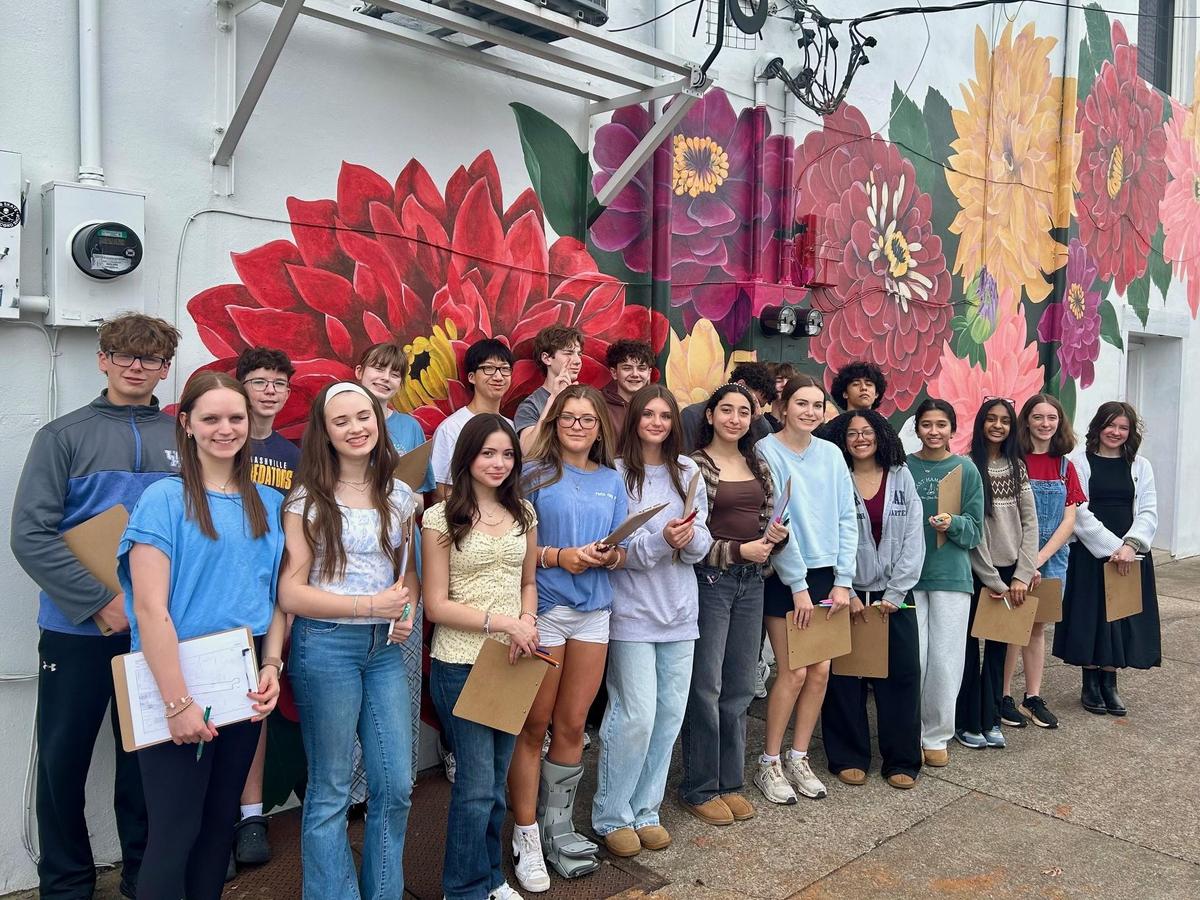
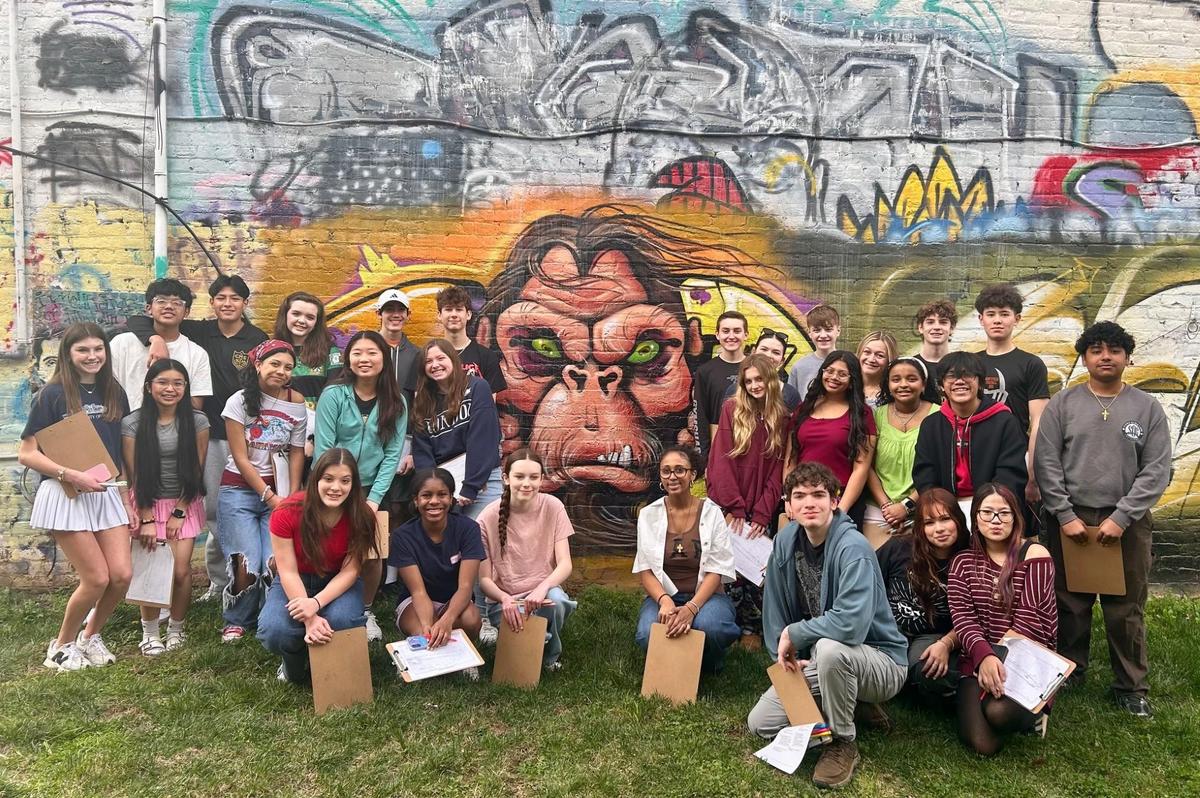
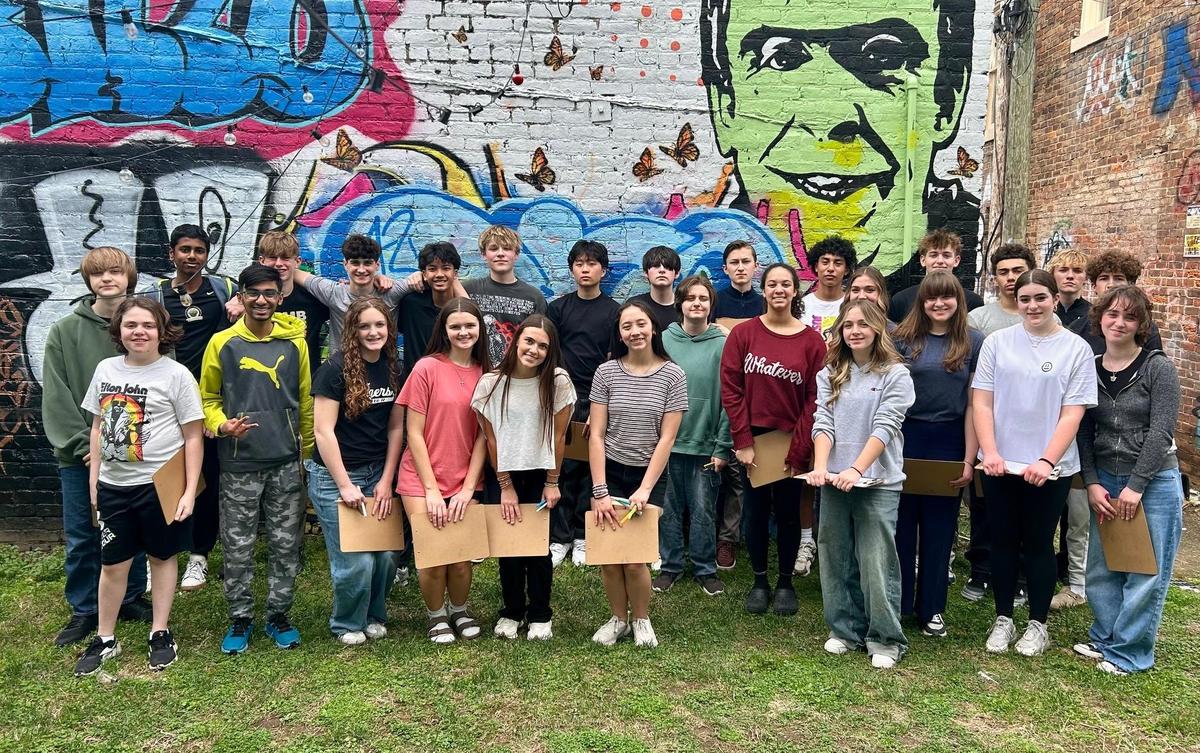
Neighborhood Analysis Pics
Enrichment
- Urban Geography help for when the textbook doesn't.
- Unit 6 GeoInquiries
- Zipf's Law (rank-size rule)
-
-
- Redlining in Memphis
- Ta-Nehisi Coates on how we created the ghetto, from Bill Moyers interview
- Blockbusting article
- Consequences of Gentrification
- Gentrification in Nashville
- Inclusionary Housing Explained website
- Inclusionary Housing student handout
- Mapping the Destruction of Tennessee's African American Neighborhoods